Tasting Notes
Whiskey gift sets range from $40 to well over $120, and the price gap isn’t always explained by what’s on the label. This guide breaks down every component that separates a thoughtful bottle from a forgettable one: the liquid, the glassware, the packaging, the story, and what personalization actually adds. At each tier, you’ll know what you’re paying for, and whether it’s worth it.
Key Points
- Liquid quality is the foundation of any whiskey gift set, and a good whiskey with modest packaging beats a mediocre one in a fancy box.
- Glassware matters more than most shoppers expect, especially when it’s chosen to complement the specific spirit inside.
- Personalization, done well, turns a bottle into a keepsake. Done cheaply, it looks like an afterthought.
- The story around a bottle, who made it, where, and why. Is a legitimate component of value, not just marketing dressing.
- Price tiers don’t always track with quality. Knowing what to look for lets you spend confidently.
What You’re Actually Comparing When You Shop for Whiskey Gift Sets
Most people shopping for whiskey gift sets are really shopping for a feeling. Not their own feeling, but the one the person opening the box is going to have. That’s a different thing than comparing ABV percentages in a browser tab.
Still, feeling has components. Understanding those components is what separates a purchase you’re proud of from one you’re second-guessing at checkout.
There are five things worth scrutinizing in any whiskey gift set: the liquid, the glassware, the packaging, the story behind the bottle, and whether personalization is available. Strip away the ribbon and the branded tissue paper, and every set comes down to how well it delivers on those five things.
The Liquid: Non-Negotiable Foundation
A gift set lives or dies on what’s in the bottle. A whiskey distilled with genuine craft, aged properly, and finished intentionally will show in the glass, and the person receiving it will know.
At the entry tier, typically $40 to $60, you’re often looking at younger whiskeys. That’s not automatically a problem, but this is the tier where some sets pad value with extra glasses or accessories to compensate for liquid that doesn’t hold up on its own.
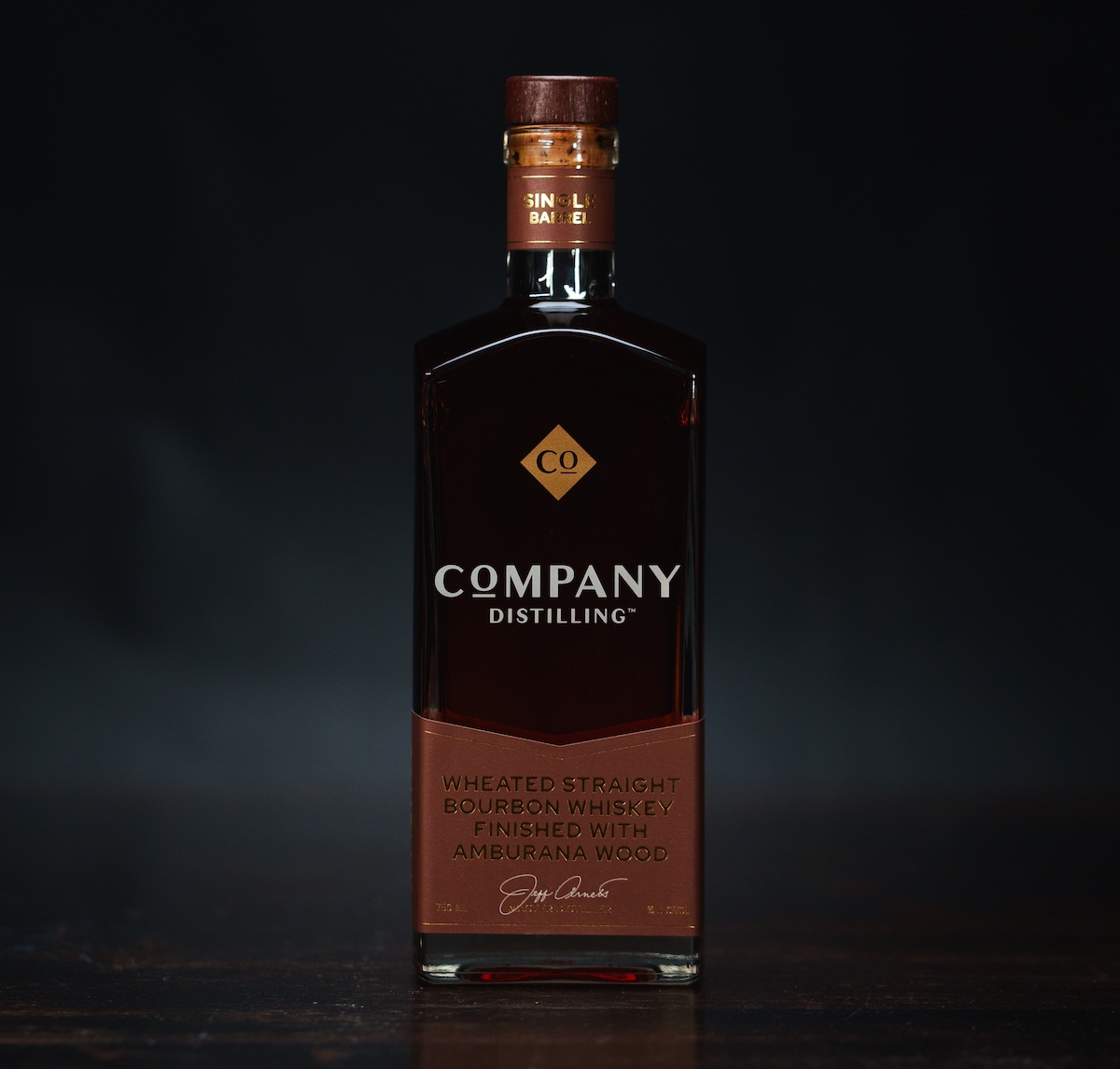
The middle tier, roughly $60 to $100, is where production details start mattering more. Look for a stated mash bill and a defined finishing process. Company Distilling’s® Straight Bourbon Whiskey finishes in maple wood after full maturation in oak, a second-barrel step that adds character and takes time. That process originated in Jeff Arnett’s work at Jack Daniel’s and was refined over several years before becoming the foundation of Company’s core lineup.
Above $100, you’re entering cask-strength and single-barrel territory. The Tennessee Four Grain™ Straight Bourbon Whiskey, at 95.6 proof (47.8% ABV), small batch, cask strength, aged seven years, justifies a higher price because there’s simply more of the actual whiskey experience in the bottle.
Essential Background Reading:
- Tennessee Whiskey Defined: What separates Tennessee whiskey from bourbon, including the Lincoln County Process explained in plain terms.
- Bourbon vs. Whiskey: What’s the Difference?: The production requirements, legal definitions, and flavor differences between bourbon and other American whiskeys.
- Distilling Greatness Episode 2: The Science of Tennessee Whiskey: A deeper look at the chemistry and craft behind how Tennessee whiskey is made.
- The Whiskey Gift Guide: How to Choose a Set Worth Giving (and Keeping): The full framework for evaluating whiskey gift sets at every price tier.
Tennessee Whiskey Gift Sets: A Distinct Category Worth Understanding
Most whiskey gift guides default to bourbon or generic “whiskey” framing. Tennessee whiskey is a different thing, and those differences matter when you’re choosing a gift.
The Lincoln County Process is the step that separates Tennessee whiskey from bourbon. Before the spirit ever touches a barrel, it’s filtered through sugar maple charcoal, a step that smooths the grain edge and produces a cleaner, more approachable finish. That’s not a marketing point. It’s a production requirement written into Tennessee law, and it changes what ends up in the glass.
Wood finishing takes that further. Company Distilling’s Straight Tennessee Whiskey finishes in toasted apple wood after charcoal mellowing and maturation in charred white oak. The result is aromas of cinnamon, nutmeg, and golden raisins, with sweet vanilla, cinnamon, cloves, and plums on the palate and a warm oak finish. It earned a Gold at the Denver International Spirits Competition. For someone new to whiskey, or someone who finds big bourbons too aggressive, this is a bottle worth opening together.
That combination, charcoal mellowing plus fruit wood finishing plus regional provenance. Is something a retail gift set assembled from distributor stock can’t offer. It comes from a specific place, made by specific people, with a process you can trace start to finish.
Matching Whiskey Style to the Person You’re Buying For
The most common gifting mistake is choosing based on what you’d want rather than what the recipient would reach for. Here’s a practical breakdown.
Recipient Profile Whiskey Style to Consider Why It Works New to whiskey Tennessee whiskey, lower proof (86 to 90) Lincoln County Process smooths the finish; accessible entry point Bourbon drinker, drinks it neat Wood-finished bourbon, 90 to 95 proof Familiar base with an unexpected finish worth discussing Rye drinker or cocktail-forward Rye whiskey with bold grain character Cherry wood finishing adds fruit warmth without losing the spice Enthusiast, experienced palate Cask strength, single barrel, or limited release High-proof complexity rewards careful nosing and slower sipping Corporate gift or group occasion Custom etched bottle, standard proof Presentation matters; keeps the proof appropriate for any crowd Milestone occasion (wedding, retirement) Fill Your Own Bottle experience or custom etching Irreplicable provenance and a story tied to the moment A note on proof for gifting: cask-strength releases like the Tennessee Four Grain at 117.6 proof (58.8% ABV) are exceptional whiskeys. They’re also demanding. A bottle at that proof is a generous gift for someone who already knows what they’re doing with cask strength. For someone newer to whiskey, a 90-proof wood-finished bourbon or an 86.5-proof Tennessee whiskey is the more considerate choice.
Related Content:
- What to Buy the Whiskey Lover: A curated look at whiskey gifts for every kind of drinker, from the casual sipper to the dedicated enthusiast.
- Gifts for the Whiskey Lover Who Has Tried Everything (Almost): How to find a bottle or experience that surprises someone who already knows their way around a whiskey shelf.
- Whiskey Gifts for Him: What the Occasion Is Really Telling You: How to read the occasion before you choose the bottle, with specific guidance by milestone type.
- For the Person Who Knows What They Like: Gift Ideas for the Real Whiskey Drinker: Guidance for buying whiskey gifts for experienced drinkers who already have strong preferences.
- A Little of Everything: How a Whiskey Sampler Gift Set Introduces Someone to the Good Stuff: Why sampler sets work for newcomers and how to choose one that actually represents the category well.
Glassware: Complement vs. Filler
Glassware in a gift set can do two things: enhance the experience of drinking what’s in the box, or fill space and justify a higher price point. The difference is usually obvious once you know what to look for.
A Glencairn-style tulip glass concentrates aromas toward the nose and actually changes how you taste whiskey. A generic rocks glass doesn’t do that. If a $90 set includes one well-made nosing glass matched to a cask-strength expression worth nosing carefully, that’s a pairing with logic behind it. Two decorative rocks glasses and an average bourbon is something else.
The practical test: does the glassware look like it was chosen for the specific whiskey, or sourced from a catalog and dropped in the box? For a deeper look at how glass shape affects what you’re tasting, the right glass changes the whiskey experience more than most people expect.
Packaging: How It Feels to Open It
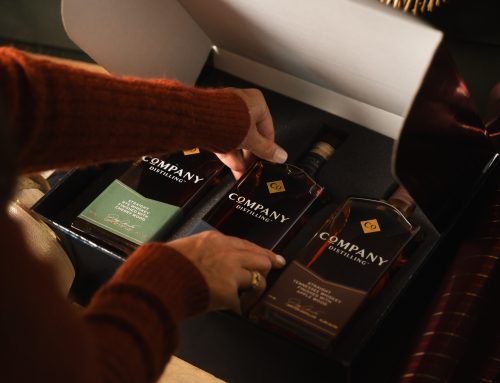
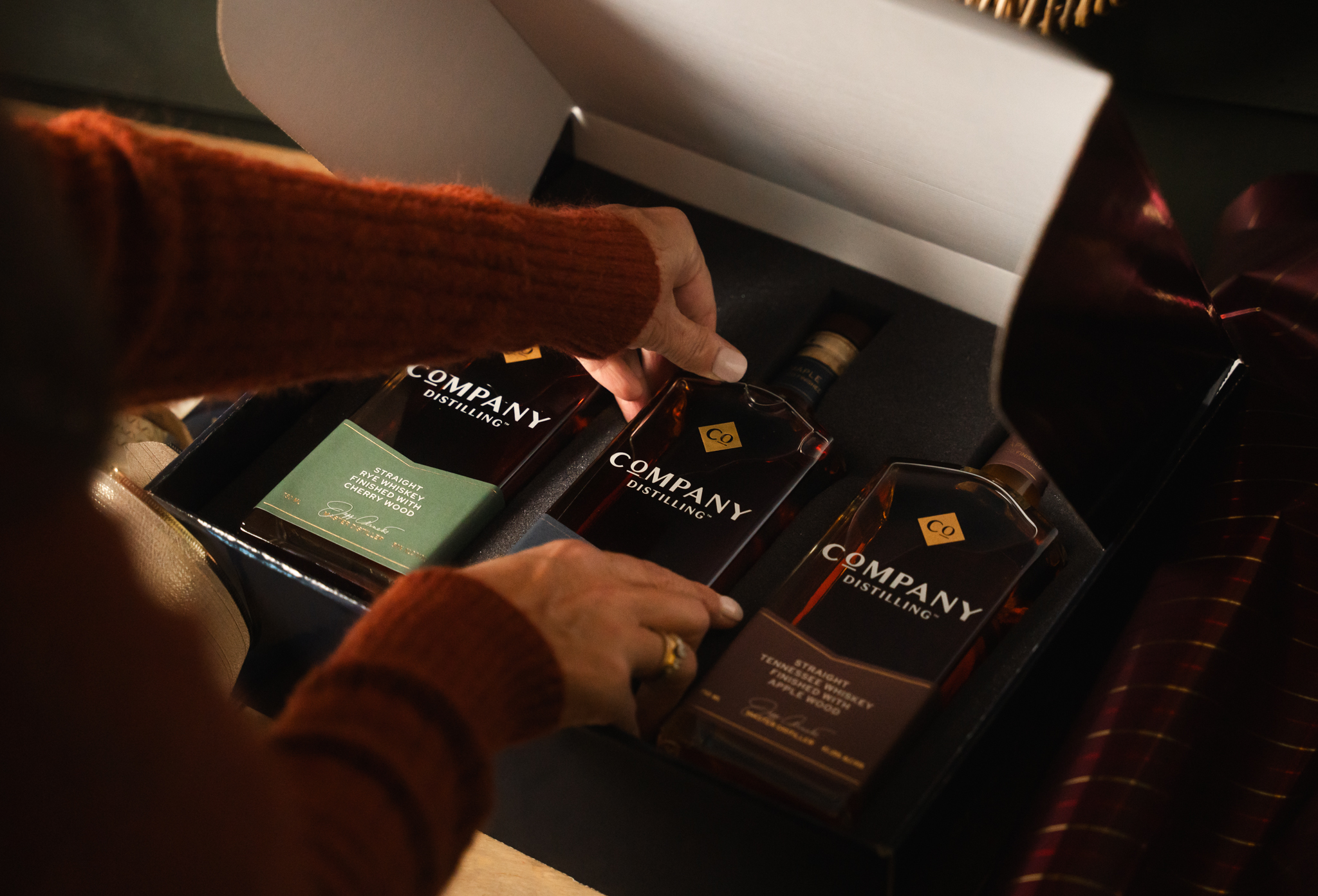
Packaging is not superficial. The act of unwrapping a gift is part of the gift. There’s a difference, though, between packaging that earns its cost and packaging that substitutes for substance.
A solid wooden box signals that the bottle inside was made by people who care about presentation as a form of respect for the recipient. A flimsy cardboard sleeve does not carry that same signal, even if the whiskey inside is identical.
Price Tier Typical Packaging What It Signals $40 to $60 Cardboard sleeve or basic tube Entry point, minimal added value $60 to $100 Branded box, tissue wrap, some visual detail Thought went into presentation $100 to $130 Solid case, foam or felt lining, premium finish Gift-first framing; built to be kept $130+ Custom or bespoke; sometimes numbered Collectible intent; limited production Keep this in mind: packaging should be proportional to the liquid. A premium case around a mediocre bottle is just theater. For a fuller look at what makes a whiskey gift set worth the price, the ratio of liquid quality to presentation is the first thing worth examining.
Next Steps:
- Bourbon Gift Sets That Actually Taste Like Tennessee: How Tennessee production methods shape the bourbon in the box, and what to look for on the label.
- Whiskey, Glass, and Something to Say: Gift Sets That Come Together: How the right pairing of spirit and glassware makes a gift set feel intentional rather than assembled.
- Why a Simple Whiskey Set Can Be the Most Memorable Gift in the Room: The case for restraint in gift-giving, and why a single great bottle often outperforms an elaborate set.
- How to Host a Whiskey Tasting at Home: Turn the bottle you just gave into an event, with guidance on flights, glassware, and pacing a tasting.
- Beyond the Bottle: Unique Whiskey Gifts That Start a Conversation: Experiences, accessories, and pairings that go further than the bottle alone.
The Story: Why It’s a Legitimate Value Component
Story gets dismissed as marketing, and sometimes it is. But a whiskey with a real, traceable origin gives the person receiving it something to tell the next time they pour from the bottle. That’s not nothing.
Jeff Arnett, named 2017 Master Distiller of the Year and former master distiller at Jack Daniel’s, leads production at Company Distilling®. That credential is verifiable, and it matters to how the whiskeys are made. Hand someone a bottle with that provenance behind it and you’re giving them a conversation starter, not just a spirit.
Story isn’t a substitute for quality. But when both are present, the value is real. For a bottle that comes with Tennessee history already built into it, Tennessee whiskey’s connection to place and process is worth understanding before you buy.
Personalization: What Actually Lasts
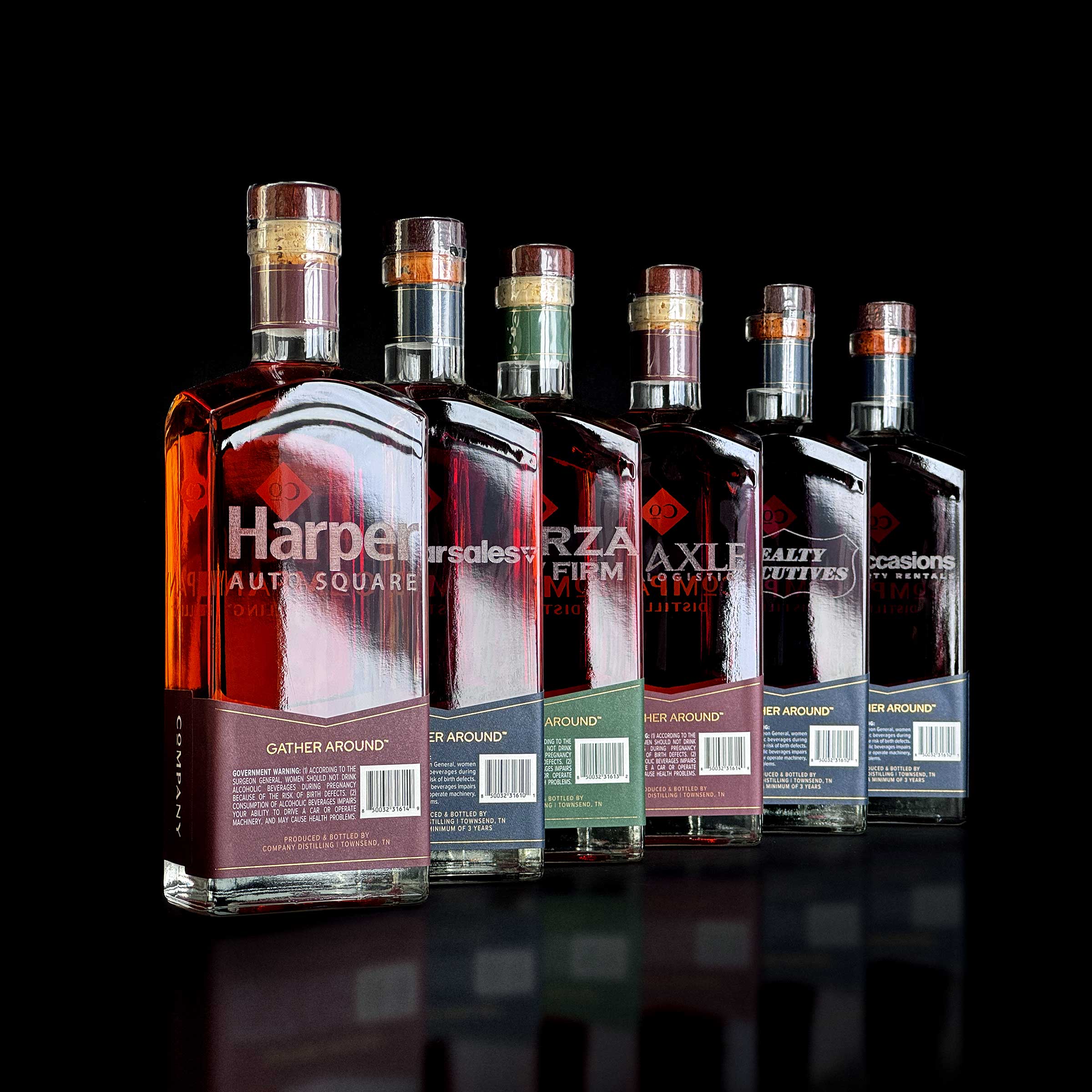
Personalization is where some gift sets quietly become worth twice what you paid, and where others fall apart under scrutiny. A name laser-printed on a card stock insert is not personalization. A bottle with a permanent, custom-etched design is something the person keeps long after the whiskey is gone.
Company Distilling® offers custom etched bottles with designs etched directly into the glass, not a label, not a sticker. The etching is permanent. Minimums start at a single case (six bottles), and the $50 setup fee is waived for orders of two or more cases. For a group occasion like a wedding party or a retirement, that cost spreads across multiple bottles and produces something no one in the room can buy off a shelf. That’s what custom whiskey gifts done well actually look like.
The fill-your-own bottle experience goes further. At the Townsend, TN distillery, guests hand-fill a 750ml bottle of cask-strength whiskey directly from a single barrel, then cork, seal, and sign their label before leaving. The current offering is a single barrel 8-year wheated bourbon with aromas of vanilla, tobacco, and toasted oak, flavors of vanilla, fruit, and cream soda, and a long oak finish. When the barrel’s empty, that bottle stops existing. There is no reorder. That’s personalization measured in rarity.
Personalization Type Common Source What It Actually Adds Card insert or printed tag Mass retail sets Sentiment; easily removed Branded sleeve or label overlay Mid-tier gifting programs Minor visual customization Permanent glass etching Craft distilleries Keepsake value; tied to the bottle itself Custom-filled single barrel Distillery experiences Irreplicable provenance; one-of-a-kind See It In Action:
- Custom Whiskey Gifts: How Personalization Turns a Bottle Into a Keepsake: The difference between surface-level personalization and the kind that outlasts the whiskey inside.
- The Whiskey Flask Gift Set: A Field Guide to Getting It Right: How to choose a flask set that’s actually worth carrying, with guidance on material, fit, and what to fill it with.
- Whiskey and Cigars: How to Build a Gift Set That Gets Both Right: Pairing guidance for one of the most requested whiskey gift combinations, with notes on matching weight and finish.
- Distilling Greatness Episode 4: Whiskey Tourism: Why distillery visits and hands-on experiences have become part of how people connect with the whiskeys they love.
Evaluating a Set Before You Buy
When the product page is telling you the box looks great and the whiskey is award-winning, use your own checklist. These are the questions that cut through the presentation:
- Proof disclosed? A bottle that doesn’t list proof on the product page is worth asking about.
- Stated mash bill? For bourbon and rye, the mash bill tells you about grain character before you taste it.
- Finishing process explained? Wood finishing is a meaningful production step. If it’s mentioned without explanation, that’s a tell.
- Who made it? A named master distiller with a verifiable background is not the same as “crafted by our team.”
- Glassware chosen for the whiskey? Nosing glasses with cask-strength expressions. Rocks glasses with cocktail-forward ones. There should be logic.
- What does personalization actually mean? Is it permanent? On the glass? Or a tag you could tie to anything?
- Are the awards traceable? A specific competition and category is credible. “Award-winning” alone is not.
Frequently Asked Questions About Whiskey Gift Sets
These are the questions that come up most often, answered directly.
What should a whiskey gift set include? At minimum: a quality bottle with disclosed proof and a stated production process. Better sets add glassware chosen for the specific spirit, whether a nosing glass for cask-strength expressions or a rocks glass for cocktail-friendly whiskeys. The best sets include either a personalization element (custom etching, a named barrel) or enough provenance to give the recipient something to talk about when they pour it.
What’s the difference between bourbon and Tennessee whiskey as a gift? Bourbon and Tennessee whiskey share a mash bill requirement (at least 51% corn) and barrel aging rules, but Tennessee whiskey goes through an additional step before barreling: filtration through sugar maple charcoal, known as the Lincoln County Process. This mellows the spirit and produces a cleaner, softer finish. For a recipient who’s newer to whiskey or finds big bourbons too sharp, a Tennessee whiskey is often the more approachable choice.
Can I get a whiskey bottle custom engraved directly from a distillery? Yes. Company Distilling® offers custom glass etching on whiskey bottles with orders starting at a single case of six bottles. Designs are etched permanently into the glass, not printed on a label. The $50 setup fee is waived for orders of two or more cases, and for single-case orders when logos are submitted in a one-color vector SVG format. Corporate orders, wedding parties, and milestone occasions are common use cases.
What proof is appropriate for a whiskey gift? It depends on the recipient. For someone new to whiskey, 86 to 92 proof is a comfortable range: enough character to be interesting, approachable enough not to demand water. For an experienced drinker who already noses cask-strength expressions, a bottle at 95 to 117 proof is a genuine gesture of respect for their palate. If you’re uncertain, land in the middle. A 90-proof wood-finished bourbon or Tennessee whiskey is rarely the wrong call.
Are whiskey gift sets better than buying a single bottle? A single great bottle with a real story behind it often beats a set that pads value with accessories. Gift sets earn their price when the glassware is genuinely matched to the spirit, when the packaging is built to be kept, or when personalization adds something permanent. If the set’s main selling point is the box, buy the bottle instead and spend the difference on a good nosing glass.
Pour Something Worth Pouring
The gap between a $40 whiskey gift set and a $120 one isn’t always the ribbon. Sometimes it’s a master distiller’s decade of work on a wood-finishing process. Sometimes it’s a name etched in glass instead of printed on paper. Sometimes it’s a single barrel that will never be refilled.
Give someone a bottle with a real story and a finish worth lingering on. The whiskey gift guide covers the full range of options, from entry-tier sets to distillery experiences, if you want to keep comparing before you decide. The best gift sets don’t ask you to trust the packaging. They give you something specific enough to talk about the next time you pour a glass together.
Company Distilling® makes spirits worthy of sharing, at locations in Townsend, Thompson’s Station, and Lynchburg, Tennessee. Custom etched bottles, distillery experiences, and the full lineup are available at companydistilling.com.
Please enjoy responsibly. Must be 21 or older to purchase.