What Is Amburana Whiskey? The South American Wood Changing American Bourbon and Amburana Bourbon Finishing
Key Points
Amburana is a South American hardwood that delivers a flavor profile unlike any traditional oak finish: coumarin-forward sweetness, cinnamon, vanilla, and dried fruit.
Distillers use amburana as a finishing wood rather than a primary aging vessel, exposing already-matured whiskey to the wood for weeks or months to layer in its distinctive character.
Bourbon and Tennessee whiskey finished with amburana tends to be approachable and fruit-forward, making it a useful entry point for drinkers who find heavily oaked whiskeys too austere.
The wood is legal for use in American whiskey finishing, but regulations still require the base spirit to meet its category requirements in new charred oak first.
Amburana releases are typically small-batch or limited, because the wood’s intensity demands careful monitoring and its domestic supply remains modest.
Tasting Notes
There’s a wood growing in South America that smells, faintly, like a bakery. Sawyers and furniture makers have known about it for generations. Distillers in Brazil have been aging cachaça in it for decades. And now American whiskey makers are paying close attention. Amburana wood finishes are showing up on bourbon and Tennessee whiskey bottles with increasing regularity, bringing a flavor profile that has no real precedent in traditional American whiskey production. If you’ve picked up a bottle and wondered what you were actually getting into, here’s the honest answer.
What Amburana Wood Actually Is
Amburana, known botanically as amburana cearensis, is a hardwood native to South America, found across Brazil, Bolivia, and parts of Peru and Paraguay. The tree goes by several common names depending on the region: cerejeira, imburana, and sometimes Brazilian cherry, though it’s not botanically related to the North American cherry tree used in some whiskey finishes.
The wood has a long history in Brazilian distilling. Producers of cachaça, Brazil’s national spirit distilled from fermented sugarcane juice, have aged their product in amburana barrels for generations. The wood is prized there for exactly the same reason American distillers are now importing it: it contributes flavor at a rate and in a direction that white oak simply doesn’t.
The key compound is coumarin. Amburana wood is exceptionally high in this naturally occurring aromatic compound, which carries a scent often described as sweet hay, vanilla, and warm spice. In small concentrations, coumarin is what gives tonka beans and sweet woodruff their characteristic warmth. In whiskey, it translates to pronounced cinnamon and baked-pastry notes that arrive early on the nose and linger through the finish.
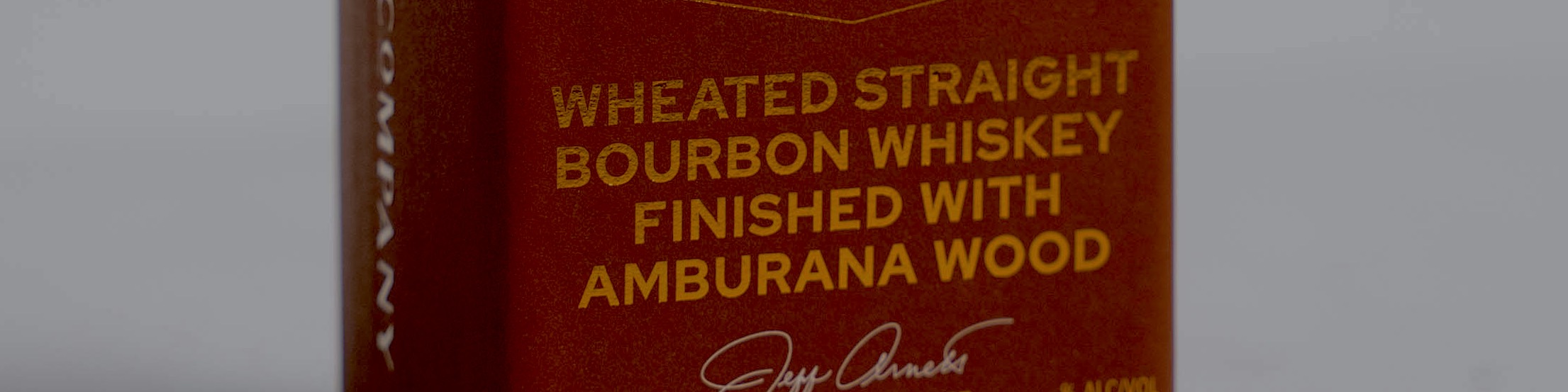
Amburana Finished Bourbon Whiskey Pre-Sale
A Note on Sustainability
Before going further, this question comes up and deserves a straight answer. _Amburana cearensis_ was listed on the IUCN Red List of Threatened Species in 1998 due to overharvesting and habitat pressure in its native range. That’s a real concern, not a footnote. Reputable distillers sourcing amburana today should be working with suppliers who operate under sustainable forestry certifications or controlled-harvest programs. If you’re evaluating a bottle and the producer doesn’t address sourcing, it’s a fair question to ask them directly.
Why Amburana Bourbon Works in the Glass
Oak has a long head start in whiskey. American regulations require [bourbon and Tennessee whiskey](https://companydistilling.com/bourbon-vs-whiskey-whats-the-difference) to age in new charred white oak barrels, and that wood does specific things: it contributes vanilla, caramel, and tannins that build structure and complexity over time. After years in oak, a well-aged bourbon has a familiar signature.
Amburana doesn’t compete with that. It adds to it.
The finishing process works like this: a distiller takes already-matured whiskey, transfers it to a vessel containing amburana wood in some form, and allows contact between the liquid and the wood for a defined period. That period can range from a few weeks to several months, depending on the character the distiller is chasing and how aggressively the wood is expressing itself. The result is a spirit that carries its bourbon or Tennessee whiskey foundation intact, with a secondary layer of flavor that reads as distinctly different from anything a second oak barrel or a wine cask finish would deliver.
The reasons distillers find amburana worth the effort come down to a handful of specific qualities:
- Coumarin concentration: Amburana delivers coumarin at levels far above what white oak contributes, creating immediate, identifiable sweetness and spice without extended aging time.
- Cinnamon and baked spice: The wood’s aromatic profile skews toward warm baking spices, particularly cinnamon, which integrates well with bourbon’s existing caramel and vanilla foundation.
- Low tannin contribution: Compared to oak, amburana is relatively gentle on tannins, meaning it adds flavor without adding the drying, astringent quality that over-oaking can produce.
- Approachability: The resulting flavor profile tends to read as sweeter and more fruit-forward than oak-forward expressions, which opens the whiskey to drinkers who find traditional bourbon profiles too tannic or too dry.
- Contrast and complexity: For distillers building a portfolio, amburana finishes offer something genuinely distinct rather than a variation on what a second new-oak or ex-bourbon barrel would provide.
What to Expect in the Glass
Whiskey finished with amburana wood has a recognizable signature once you know what to look for. The nose typically opens with cinnamon and sweet vanilla, often with dried fruit underneath. There’s a pastry quality that some tasters describe as churro, snickerdoodle, or, more plainly, a warm bakery on a cold morning. It’s not subtle.
The palate carries through on the nose. Sweetness arrives early, backed by baking spices and a softer wood influence than you’d get from a heavy char on new oak. Stone fruit, dried fig, and apricot notes are common mid-palate. The finish is generally warm rather than dry, with the cinnamon note extending longer than you might expect.
What the whiskey does not become is something completely unrecognizable. The base spirit still shows through. If you start with a well-made bourbon, the corn sweetness, the caramel, and the proof point are still doing their work. Amburana is a layer, not a replacement. A four-year bourbon finished in amburana for two months is still fundamentally a four-year bourbon with a new conversation happening in the glass.
Here’s how amburana generally sits relative to the other wood finishes distillers commonly reach for:
Finish Wood, Primary Flavor Contribution, Tannin Level, Common Descriptors
White oak (primary barrel) | Vanilla, caramel, char | High | Classic bourbon, woodsy, structured
Apple wood | Fruit, subtle sweetness | Low-medium | Orchard fruit, mild, approachable
Cherry wood | Stone fruit, light spice | Low-medium | Bright fruit, tartness, red berry
Maple wood | Sweet, subtle, smoothing | Low | Syrup, clean, soft finish
Amburana wood | Cinnamon, baked spice, coumarin | Low | Pastry, warm spice, dried fruit
Pecan wood | Nutty, rich sweetness | Low-medium | Roasted nut, caramel depth
How to Drink Amburana Whiskey
Amburana is assertive. The cinnamon and coumarin notes that make it interesting can also run hot if you meet them undiluted and unprepared. A few drops of water or a single cube of ice opens the spirit up considerably, softening the leading spice and giving the dried fruit and vanilla room to show. Most expressions benefit from the pause.
Neat works well when you want the full impact of the finish, particularly with lower-proof expressions in the 86 to 96 proof range where the wood influence and the base spirit are in better balance. High-proof or cask-strength amburana releases reward patience: let them sit in the glass for a few minutes before you take the first sip.
At the table, amburana finishes pair cleanly with food that echoes the wood’s own register. Cinnamon-spiced desserts, aged cheeses with a nutty sweetness, roasted stone fruits, and dark chocolate all work. The wood’s low tannin profile means it doesn’t fight with food the way a heavily oaked expression sometimes can.
In cocktails, amburana-finished whiskey plays well in builds that already carry warm spice: an Old Fashioned with a mole or spiced bitters, a simple sour that lets the fruit notes forward. It doesn’t need much help. The wood has already done its work.
Where Amburana Fits in the American Whiskey World
American whiskey’s finishing category has expanded considerably in recent years. Distillers have moved from occasional experiments with wine and sherry casks into much broader territory of hardwoods, most of them regional or exotic by historical American standards. Amburana is one of the more discussed options in that space right now, because its effect is clearly distinct and because it comes with a legitimate lineage in Brazilian distilling rather than being a novelty without precedent.
The regulatory picture is manageable. A bourbon finished in amburana barrels or staves must still carry “finished with amburana wood” or a similar designation on its label, because anything beyond the standard new charred oak maturation requires disclosure. The spirit’s core category requirements remain in place. It ages first in new charred oak, earns its designation, and then the finishing adds to the story rather than rewriting it.
Supply is a real consideration. Amburana doesn’t grow in North America, so domestic supply chains are thinner than for oak, cherry, or apple, all of which American sawyers have worked with for generations. That’s part of why most amburana releases land as limited, single-barrel, or small-batch expressions.
What to Look for When Buying Amburana Whiskey
Label reading matters here. A few things worth checking before you commit to a bottle:
“Finished” vs. “Aged”
Most amburana releases are finished expressions, meaning the base spirit spent its primary maturation in new charred oak and was moved to amburana for a secondary period. True amburana-aged whiskey (primary aging in amburana) is far rarer and will be labeled differently.
Proof Range
Amburana’s spice character reads differently across the proof range. Lower-proof expressions (86 to 96 proof) tend to be more integrated. [Cask-strength releases](https://companydistilling.com/products/cask-strength-bourbon) (110 proof and above) show the wood more aggressively and reward dilution.
Age Statement (or lack of one)
No age statement means the base spirit is less than four years old. That’s not automatically a mark against it, but it means the wood finish is doing more of the heavy lifting.
Finishing Method
Full barrel, staves, or chips produce different results. If the producer discloses the method, that tells you something about the depth of integration you’re likely to encounter.
Company Distilling and the Work of Non-Traditional Wood
At Company Distilling®, working with non-traditional Tennessee woods isn’t a trend to chase. It’s been built into how we think about whiskey from the beginning. Master Distiller Jeff Arnett, named 2017 Master Distiller of the Year and formerly of Jack Daniel’s, spent years developing and refining the double-barreling and finishing processes that shape our portfolio. His experience with the No. 27 Gold at Jack Daniel’s, a maple-barrel double-barreled expression he considered one of the better liquids being made at the time, informed how we approached wood finishing after he helped found Company Distilling.
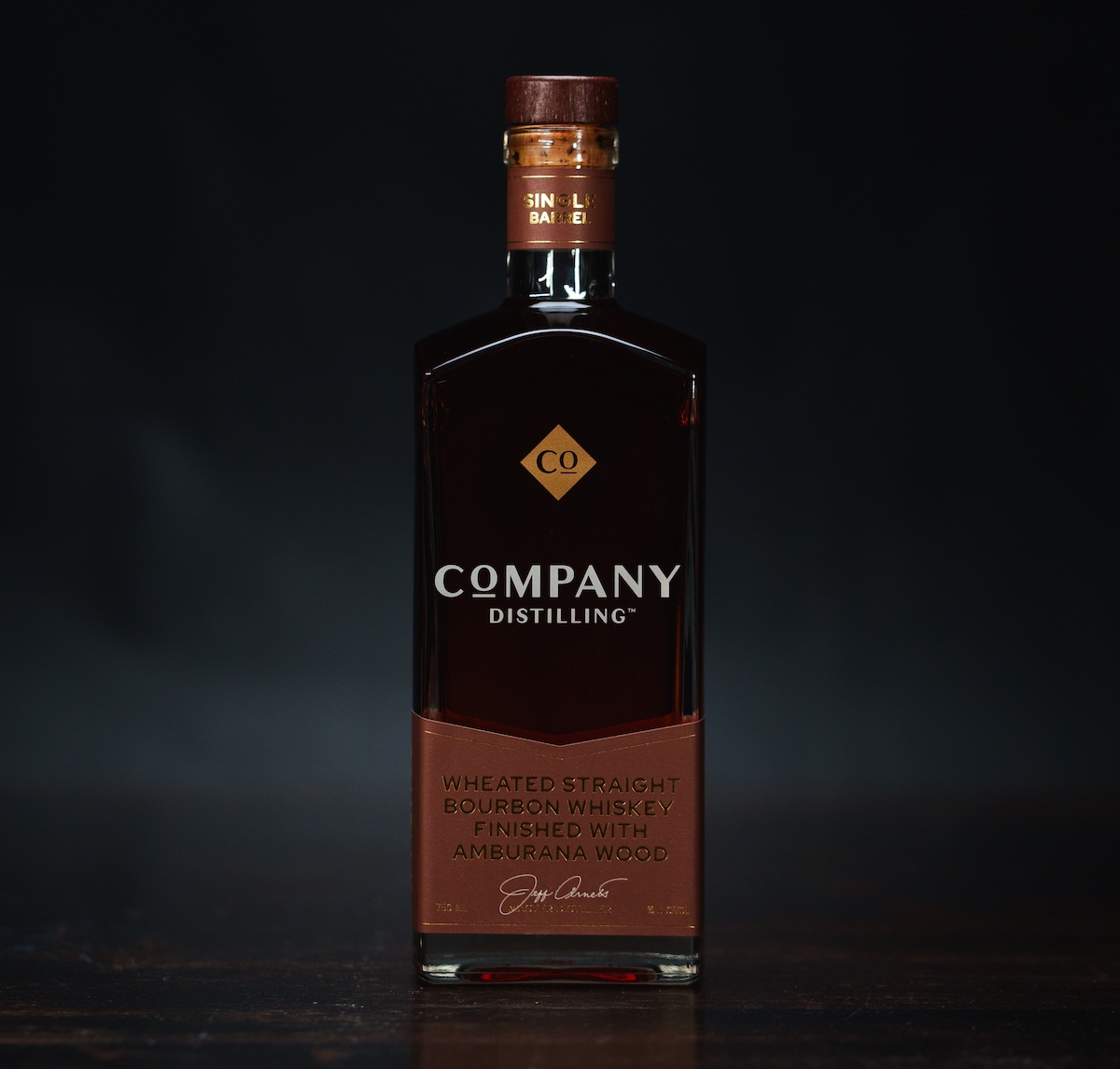
Our core lineup already explores this territory: a Straight Bourbon Whiskey finished with Maple Wood, a Straight Tennessee Whiskey finished with Apple Wood, a Straight Rye Whiskey finished with Cherry Wood, and our Straight Tennessee Whiskey Finished with Pecan Wood. Now, a limited release amburana bourbon is available for pre-sale. Grains & Grits festival release bottled at 124.8 proof (62.4% ABV) that represents our highest-proof bottling to date. Each finish tells a different story. Each one came from a genuine question about what a particular wood would do to a spirit we already respected.
Amburana belongs in that same conversation. Its character, warm and spice-forward, sits in natural proximity to the maple and pecan finishes in our exploratory work, though it brings a distinctly South American history into the glass alongside the Tennessee whiskey underneath.
One thread that hasn’t been explored publicly yet: what happens when Tennessee whiskey, pre-filtered through hard sugar maple charcoal before it ever sees a barrel, meets amburana? The Lincoln County Process strips certain congeners and smooths the spirit’s profile before primary aging begins. Whether that pre-mellowing changes how amburana’s coumarin compounds integrate is a question worth asking at the still. We’re asking it.
Come find us in Townsend, Thompson’s Station, or Lynchburg. We’ll pour you something worth talking about and let the wood do the explaining.
Frequently Asked Questions About Amburana Whiskey
What is amburana wood and where does it come from?
Amburana (amburana cearensis) is a hardwood native to South America, found primarily in Brazil, Bolivia, Peru, and Paraguay. It has been used for generations in Brazil to age cachaça and is now being imported by American distillers as a finishing wood for bourbon and Tennessee whiskey. Its high coumarin content produces a warm, spice-forward flavor profile with notes of cinnamon, vanilla, and dried fruit.
What does amburana-finished whiskey taste like?
Amburana bourbon and Tennessee whiskey typically opens with cinnamon and sweet vanilla on the nose, with a pastry-like warmth often described as churro or snickerdoodle. The palate carries baking spices, stone fruit, and dried fig, with a warm, lingering finish that reads sweet rather than dry. The base spirit remains present; amburana adds a distinct second layer rather than replacing the whiskey’s existing character.
How is amburana different from oak in whiskey making?
White oak contributes vanilla, caramel, and firm tannins that build structure over long aging periods. Amburana contributes coumarin-driven sweetness and cinnamon spice at much lower tannin levels, which means it adds flavor quickly without the drying, astringent quality that heavy oak influence can produce. The two woods work in different directions, which is why amburana is used as a finishing wood rather than a primary barrel.
What is the difference between aging in amburana and finishing in amburana?
Aging in amburana means the spirit spends its entire maturation period in amburana barrels, which is rare in American whiskey. Finishing in amburana means an already-matured spirit, one that has completed its primary aging in new charred oak per American regulations, is transferred to amburana for a secondary period of weeks or months. Nearly all American amburana releases are finishes, not primary-aged expressions.
How long should whiskey be finished in amburana?
There’s no single answer, because finishing time depends on the method (full barrel, staves, or chips), the proof of the spirit, the temperature of the warehouse, and the specific amburana wood being used. Most producers work by taste rather than calendar, sampling regularly and pulling the wood when the finish reaches the target profile. The risk of over-extraction is real: too long in amburana and the cinnamon and coumarin overwhelm the base spirit rather than complementing it.
Gather around. Must be of legal drinking age to visit. Please gather responsibly.